September 22, 2026
Maintaining a dependable vehicle requires ongoing diligence, attentive driving habits, and an acute awareness of subtle changes in overall mechanical performance. Among the various complex systems that keep a car running smoothly on public roads, the braking system stands out as the single most critical safety feature on any passenger vehicle. Everyday commuting, stop-and-go city traffic, and sudden evasive maneuvers place continuous physical stress on brake pads, rotors, calipers, and hydraulic fluid lines. When these vital components begin to wear down or experience structural fatigue, they display distinct warning indicators that alert drivers to impending trouble. Recognizing these early signals allows vehicle owners to address minor mechanical issues before they evolve into hazardous driving conditions or extensive mechanical failures.
Ignoring subtle warning signs often leads to compromised stopping distances, reduced handling control, and severe secondary damage to surrounding wheel assemblies. Proactive drivers understand that timely intervention is essential for preserving overall vehicle safety and ensuring smooth daily travel. Paying close attention to how your brake pedal feels, listening for unusual acoustic feedback, and observing vehicle responsiveness during deceleration will help you determine when it is time to seek qualified auto repair solutions. By remaining proactive about regular vehicle maintenance, you protect your passengers, safeguard other motorists, and prolong the operational lifespan of your primary transportation investment.
1. Squealing or Grinding Noises During Braking
A common indication of braking system wear is an unusual sound produced whenever pressure is applied to the foot pedal. Brake pad manufacturers design friction materials with built-in metallic wear indicators that produce a high-pitched squealing or chirping noise when pad thickness drops below acceptable operating thresholds. This distinctive acoustic warning serves as an intentional reminder that friction material is wearing thin and requires inspection by a qualified professional. Ignoring this persistent squealing allows friction pads to deteriorate completely, exposing the underlying metal backing plate directly to the spinning rotor surface.
When metal backing plates make direct contact with iron rotors, a harsh grinding or growling sound echoes throughout the vehicle cabin. Metallic grinding indicates severe structural wear that rapidly gouges deep grooves into rotor surfaces, generating intense friction and extreme thermal stress. Operating a vehicle under these harsh conditions severely compromises stopping capability and damages surrounding mechanical hardware. Incorporating routine auto repair inspections into your vehicle care schedule ensures that worn friction pads are identified and replaced well before destructive metal-on-metal contact causes widespread damage to your braking assembly.
Observing when these distinct noises occur provides valuable diagnostic insight for your technician during routine evaluations. Squealing that occurs only during damp morning drives may stem from temporary surface moisture on the rotors, whereas continuous noise indicates advanced pad degradation. Promptly addressing sound warnings helps maintain smooth braking and avoids extensive secondary damage to underlying components.
2. Spongy or Unresponsive Brake Pedal Feel
The tactile feedback delivered through your foot pedal provides valuable insight into the health of your hydraulic braking system. Under normal operating conditions, pressing down on the pedal yields firm, immediate resistance as hydraulic pressure transfers smoothly to the calipers. If the pedal feels soft, spongy, or sinks all the way to the floorboard before engaging, a serious hydraulic disruption has likely occurred within the system. Air bubbles trapped inside fluid lines, degraded hydraulic fluid, or a failing master cylinder can prevent the system from building necessary hydraulic force.
Addressing hydraulic inconsistencies promptly is essential for maintaining safe control over your vehicle in unpredictable traffic conditions. According to Gitnux, servicing brake components makes up approximately 25% of all auto repair tasks each year. This high volume highlights how frequently braking components undergo natural wear and require professional evaluation. When hydraulic pressure drops due to fluid contamination or internal seal failure, immediate mechanical attention is required to restore firm pedal feel, eliminate trapped air, and ensure immediate stopping response during emergency deceleration.
3. Vehicle Pulling to One Side When Stopping
A properly balanced braking system distributes stopping force evenly across all wheels, allowing the vehicle to maintain a straight trajectory during deceleration. If your vehicle swerves, veers, or pulls noticeably toward the left or right when slowing down, an uneven distribution of friction force is occurring across the axles. This unbalanced behavior often points to a sticking caliper piston, unevenly worn friction pads, or a collapsed hydraulic hose restricting fluid flow to a single wheel assembly.
Driving a vehicle that pulls during braking creates unpredictable handling characteristics, particularly during sudden stops or on slippery road surfaces. Uneven friction distribution forces certain tires and suspension components to absorb excessive stress, accelerating wear across steering linkages and tread surfaces. Seeking specialized auto repair evaluation enables qualified technicians to diagnose whether a frozen caliper slider pin, contaminated friction lining, or hydraulic blockage is causing the directional imbalance, restoring straight, controlled deceleration across all wheel assemblies.
4. Unusual Vibrations or Shaking While Decelerating
Experiencing rapid pulsing, shaking, or vibration through the steering wheel or brake pedal during deceleration indicates physical irregularities within the rotating brake components. As friction pads press repeatedly against spinning metal rotors, extreme friction generates intense thermal energy. Over time, repeated thermal cycles, heavy braking on steep downgrades, or sudden exposure to cold water puddles can cause metal rotors to warp or develop uneven thickness variations across their flat surfaces.
When friction pads contact an uneven or warped rotor surface, high and low spots cause the pads to bounce rhythmically, transferring physical vibrations through the hydraulic lines to your foot and hands. Persistent vibration reduces total surface contact between pads and rotors, extending overall stopping distances and degrading driving stability. Visiting established auto repair facilities allows technicians to measure rotor thickness, evaluate lateral runout, and determine whether resurfacing or installing fresh rotor discs is necessary to restore smooth, quiet braking performance.
Driver habits and environmental conditions both play significant roles in rotor health and overall system longevity. Resting your foot on the brake pedal during long downhill drives generates continuous friction that rapidly overheats rotor surfaces. Allowing components to cool naturally and utilizing proper downshifting techniques helps minimize thermal stress and reduces the likelihood of rotor distortion.
5. Illuminating Brake System Warning Light
Modern vehicles feature sophisticated electronic monitoring networks designed to detect mechanical anomalies before physical symptoms become severe. An illuminated dashboard warning light, such as the dedicated red brake indicator or yellow anti-lock system light, provides an immediate electronic warning that requires thorough evaluation. These system sensors monitor critical variables, including hydraulic fluid levels, system pressure, anti-lock pump performance, and electronic parking brake engagement.
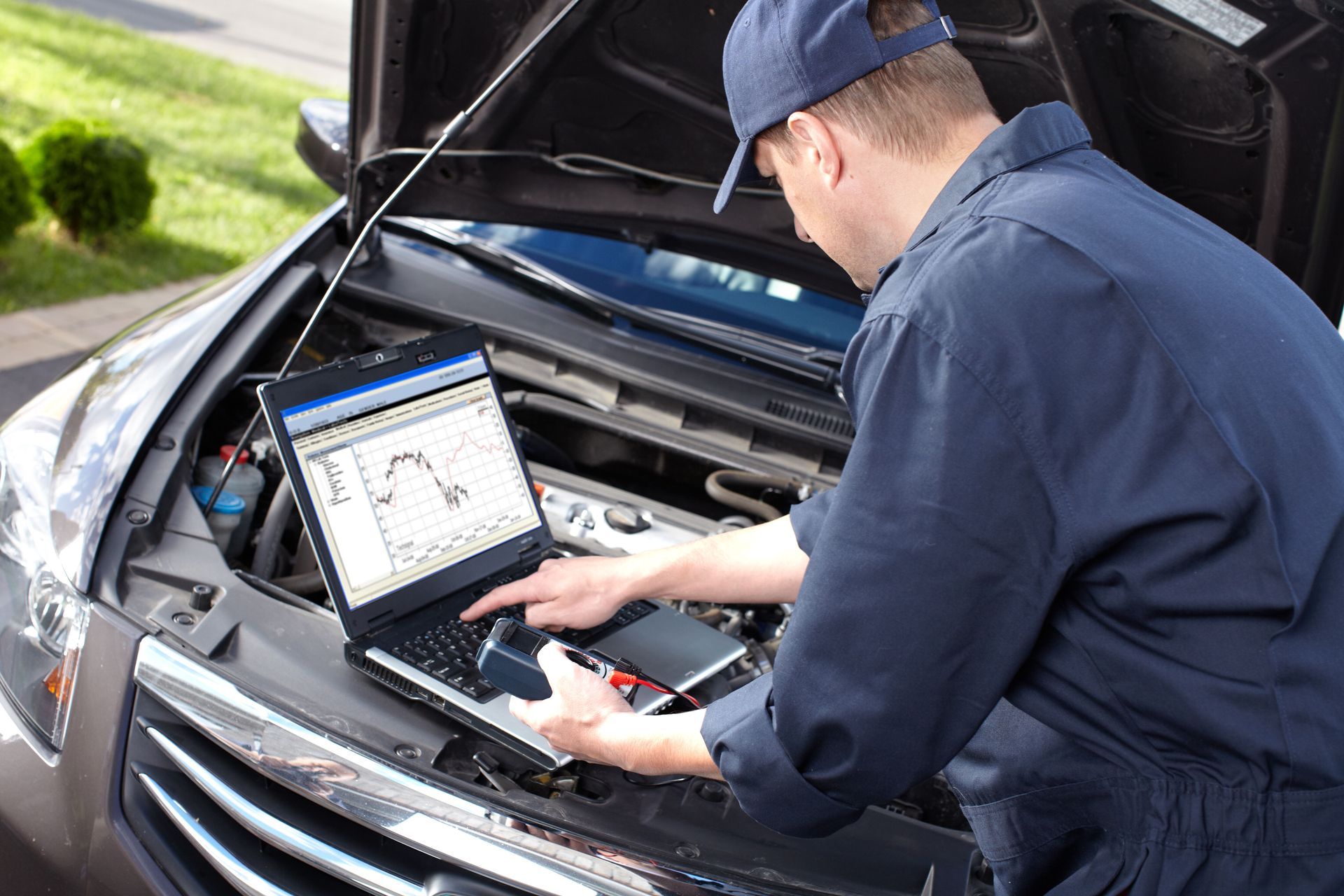
Ignoring an active dashboard warning light compromises electronic safety features designed to prevent wheel lockup and maintain steering control during panic stops. Low hydraulic fluid levels often point to concealed leaks within line fittings, caliper seals, or wheel cylinders, while anti-lock system warnings indicate sensor malfunctions or pump failures. Consulting experienced auto repair professionals ensures that advanced diagnostic scanners are connected to retrieve specific fault codes, pinpoint internal electrical or hydraulic issues, and restore full functionality to your vehicle's safety systems.
Maintaining an efficient, responsive braking system is fundamental to operating a safe and reliable vehicle on public roads. Recognizing early warning indicators, such as acoustic squealing, spongy pedal feel, directional pulling, pedal vibration, or dashboard warning lights, allows vehicle owners to address minor mechanical wear before severe damage develops. Prioritizing regular maintenance and scheduling timely auto repair services preserves vehicle safety, enhances driving comfort, and protects your automotive investment for many years ahead.
If you are ready for comprehensive vehicle maintenance and dependable stopping power, contact us at Hoss Automotive today. We will help you identify potential brake issues and keep your vehicle operating safely on every journey.