July 31, 2026
Car maintenance is a crucial aspect of vehicle ownership, ensuring reliability, safety, and longevity. Regular maintenance provided by auto repair shops not only enhances the performance of the car but also ensures safety on the roads, which is paramount for any driver. Furthermore, understanding the basic maintenance requirements can save drivers from unexpected breakdowns and costly repairs. Let's explore the essential facets of car maintenance every driver should know.
1. Regular Oil Changes
Importance of Oil Changes
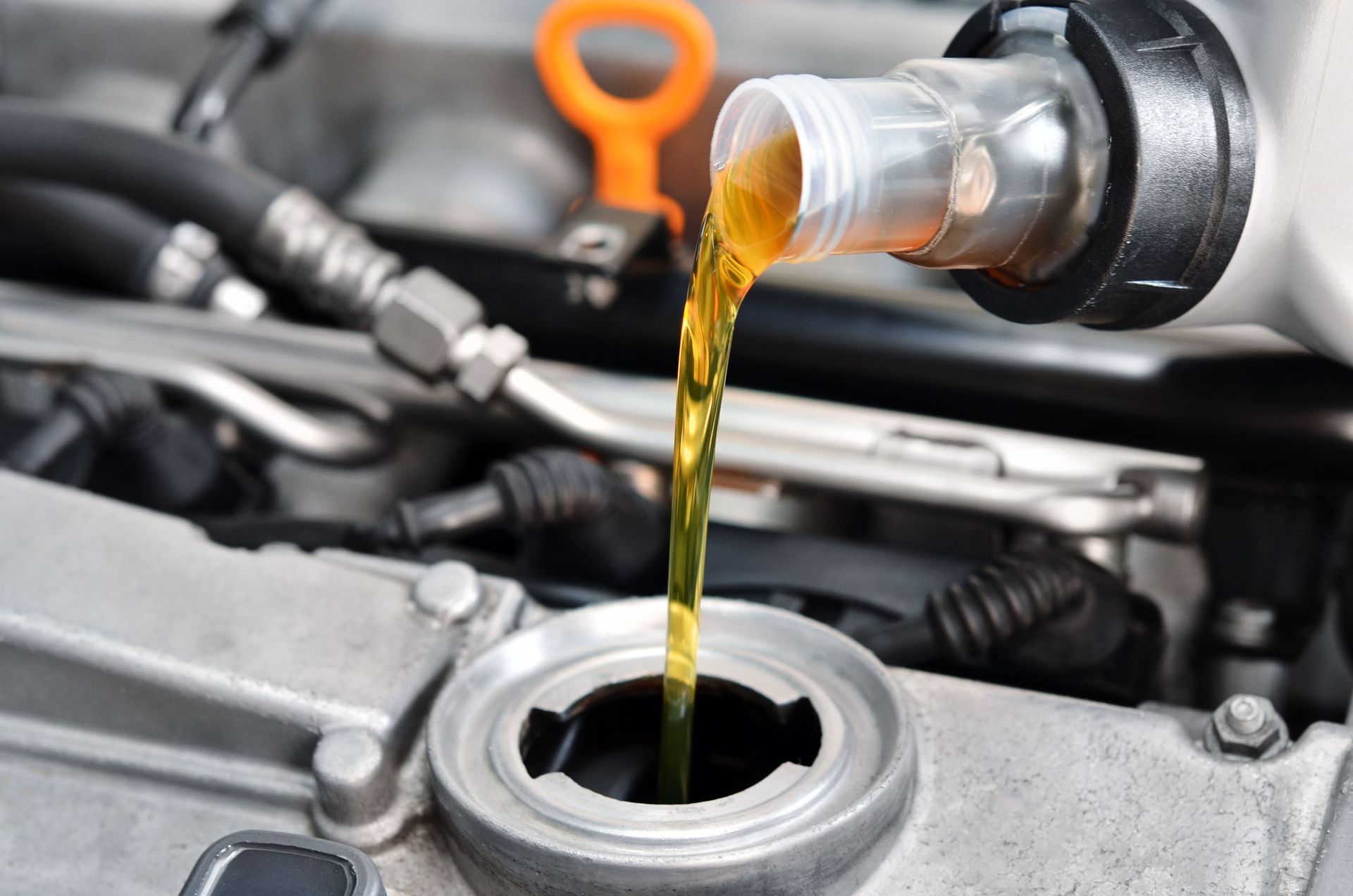
Regular oil changes are crucial for maintaining the health of your vehicle's engine. Oil serves as the lifeblood of your engine, providing the necessary lubrication to reduce friction and wear. As oil circulates, it also helps to remove contaminants and debris, ensuring the engine runs smoothly. Neglecting regular oil changes can lead to engine wear, overheating, and ultimately, engine failure. According to Reader's Digest, most cars should have their oil changed every 3,000 miles, but some may only require a change every 7,000 miles or more.
Choosing the Right Oil
Choosing the right oil for your vehicle is essential to ensure maximum engine efficiency. The owner's manual of your car provides a guideline for the best type and grade of oil to use. Synthetic oils are formulated for high performance and often last longer than conventional oils. Understanding the viscosity and additives in oil is vital for making the right choice. Investing in high-quality oil can prolong engine life and improve fuel efficiency.
Recognizing When to Change Oil
Recognizing when to change your oil at local auto repair shops is critical to maintaining engine health. While mileage is a common indicator, other signs suggest it's time for an oil change. A louder or 'knocking' noise from the engine compartment often indicates that the oil is no longer effective. The appearance of the oil itself, when checked via the dipstick, can also be telling. If the oil is dark or gritty, it's time for a change. Additionally, a steady drop in oil level as observed through the dipstick might also indicate the need for an oil replacement.
Steps for Performing an Oil Change
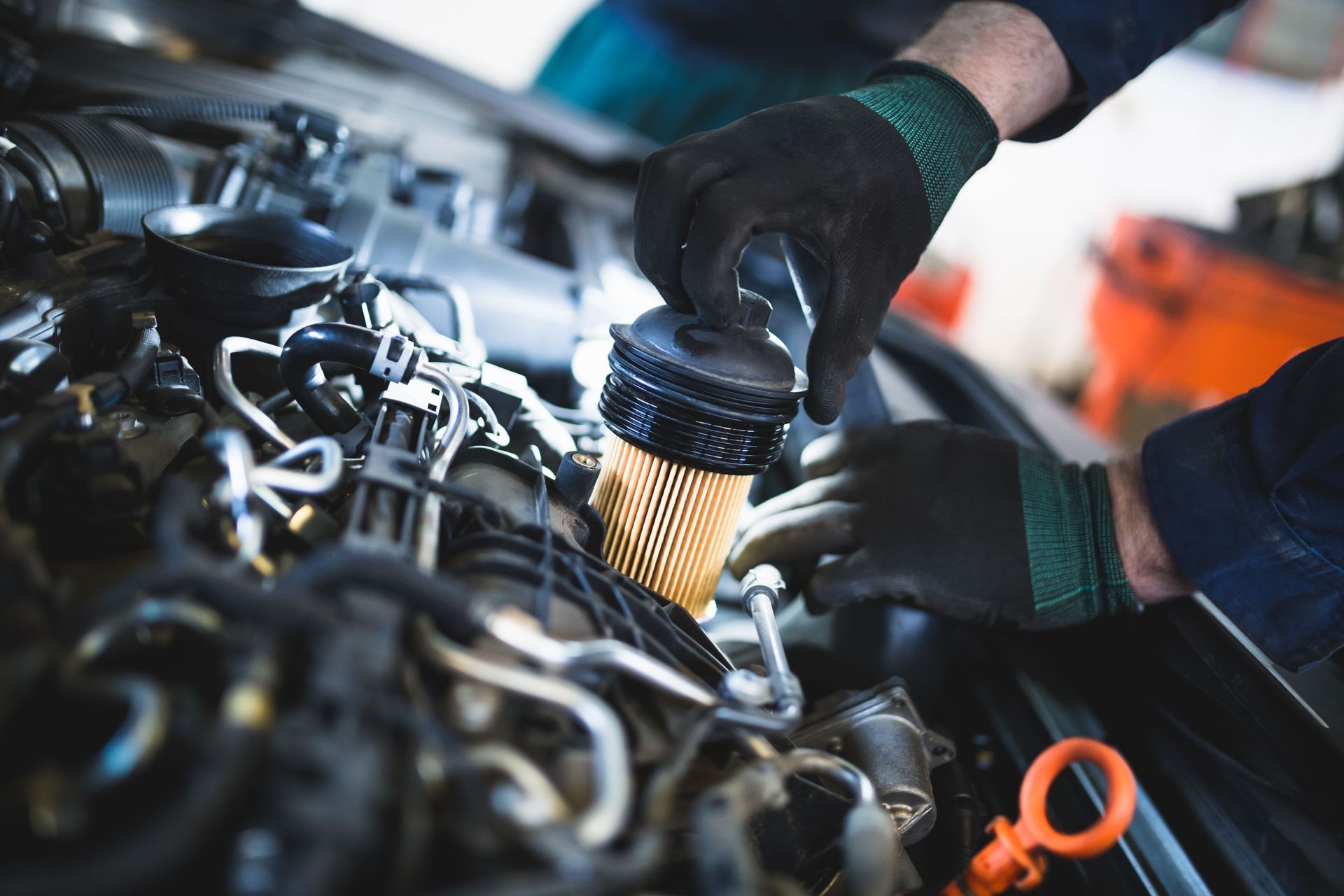
Although oil changes can be done professionally at auto repair shops, many drivers choose to change their oil themselves. To perform an oil change, first ensure your car is parked on a level surface and the engine is cool. You'll need to drain the old oil from the oil pan, replace the oil filter, and then add new oil as specified by the manufacturer. Care must be taken to dispose of the old oil in an environmentally responsible manner. DIY oil changes can help users save money and time, provided the correct procedures are followed.
Potential Issues from Neglecting Oil Changes
Neglecting oil changes can lead to significant and costly engine issues. Without regular oil changes, dirt and sludge can accumulate, reducing engine efficiency. Over time, this can escalate to severe engine damage that may require an expensive overhaul or replacement. Additionally, older or contaminated oil can lead to overheating and increased emissions. Regular oil changes are essential in ensuring the longevity of your vehicle's engine and the overall performance of the car.
2. Tire Maintenance
Checking Tire Pressure
Tire pressure is vital for the optimal performance and safety of your vehicle. Under-inflated tires can cause poor fuel efficiency and increase the risk of tire blowouts. Conversely, over-inflation may lead to reduced traction and uneven tire wear. Checking tire pressure regularly, at least once a month, ensures that tires are neither over nor under-inflated. Doing so can also enhance vehicle handling and extend the lifespan of the tires.
Understanding Tire Rotation
Tire rotation involves changing the position of tires regularly to extend their service life. This practice ensures even tire wear, maintaining balance and stability in driving. In our experience, you should rotate tires every 5,000 to 7,500 miles, depending on vehicle use. Consistent tire rotation can prevent premature tire wear and extend the overall mileage a tire can cover. Regular rotation also ensures that drivers can maximize their investment in high-quality tires.
Signs You Need New Tires
Identifying the need for new tires is critical for safe driving. Visible tread wear bars signifying the deterioration of the tread depth are the first indicators for replacement. Moreover, experiencing vibrations or wobbling sensations during drives often indicates tire imbalance, warranting inspection. Any visible damage such as bulges, cracks, or punctures may also necessitate immediate replacement. Additionally, if tires consistently lose pressure, even after inflating, it's imperative to consult professionals at your local auto repair shops.
Aligning and Balancing Tires
Regular alignment and balancing are necessary for tire health and vehicle stability. Misaligned wheels can cause uneven tire wear and affect steering and handling. Likewise, unbalanced tires may lead to vibrations and uneven tread wear. Both services should be performed if you experience abnormal driving behavior or following a significant impact like a pothole hit. Maintaining proper alignment and balance contributes to prolonged tire life and comfortable driving experiences.
Repairing Tire Punctures
Tire punctures, if not addressed promptly, can become serious hazards. Small punctures can often be repaired with a patch or plug, extending tire life. It's critical to ensure that the repair is done within the tread area and not on the shoulder or sidewall. For significant damage or if punctures are too close to the tire's edges, replacement may be necessary. Regular checks and professional consultation ensure safe and long-term tire performance.
3. Brake System Checks
Understanding Brake Warning Signs
Recognizing brake warning signs is paramount for vehicle safety. Squealing or grinding noises often signify worn brake pads. If the brake pedal feels soft or requires more pressure, it could be an indication of brake fluid issues or air in the system. The illumination of brake warning lights on the dashboard also signals the need for an inspection. Timely detection and action can prevent extensive damage and ensure reliable braking performance.
Checking Brake Pads and Discs
Regular inspection of brake pads and discs is crucial for safe and effective braking. Brake pads need regular scrutiny to prevent excessive wear, which could damage the rotors. Signs such as squealing noises or a decrease in braking efficiency often herald the need for new brake pads. Additionally, the rotors should be checked for grooves or uneven surfaces that might affect braking. Professional inspection ensures that both pads and discs are functioning optimally.
Importance of Brake Fluid Checks
Brake fluid is the power behind the brakes, transmitting force to bring your car to a stop. Maintaining optimal fluid levels and ensuring there is no contamination are vital. Deteriorating brake fluid can lead to decreased performance and potentially longer stopping distances. The fluid should be checked periodically and replaced as recommended by your vehicle's manufacturer. Proper fluid management ensures the braking system operates efficiently and safely.
Replacing Worn Brake Parts
Timely replacement of worn brake parts is essential for optimal functionality. Brake pads are prone to wear and tear and should be replaced when they reach minimal thickness. Similarly, if rotors are warped or grooved, they should be machined or replaced. Keeping a proactive approach to replacing brake components can prevent damage to other parts of the braking system. Consulting with auto repair shops can further ensure all parts are functioning safely and efficiently.
Professional Brake Inspections
Professional brake inspections are important for the dependable operation of the braking system. A certified mechanic can identify subtle issues that might not be apparent to untrained eyes. Regular inspection can also uncover potential weak spots that may cause braking failure. Professionals provide an in-depth analysis and recommend needed repairs or part replacements. Ensuring that your brakes are professionally maintained guarantees both safety and longevity of the braking system.
Staying informed about essential car maintenance services is key to ensuring a well-functioning vehicle and safe driving experiences. Regular attention to these aspects not only extends the life of your car but also prevents costly repairs in the long run. If you're looking for quality auto repair shops to keep your car in great shape, reach out to Hoss Automotive today!